Politics of the Grid
a new work by
Jessica Rajko
a new work by
Jessica Rajko
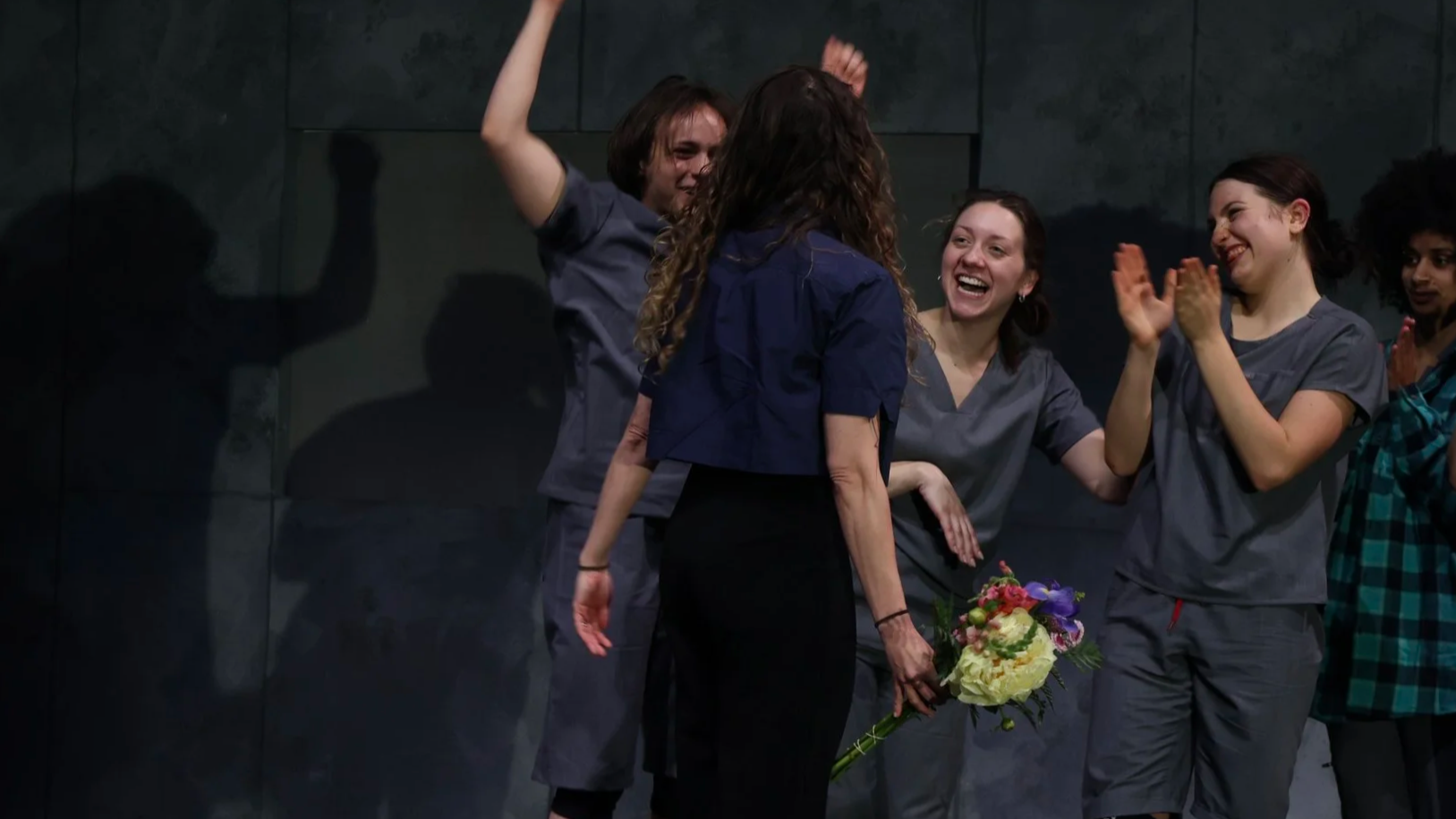
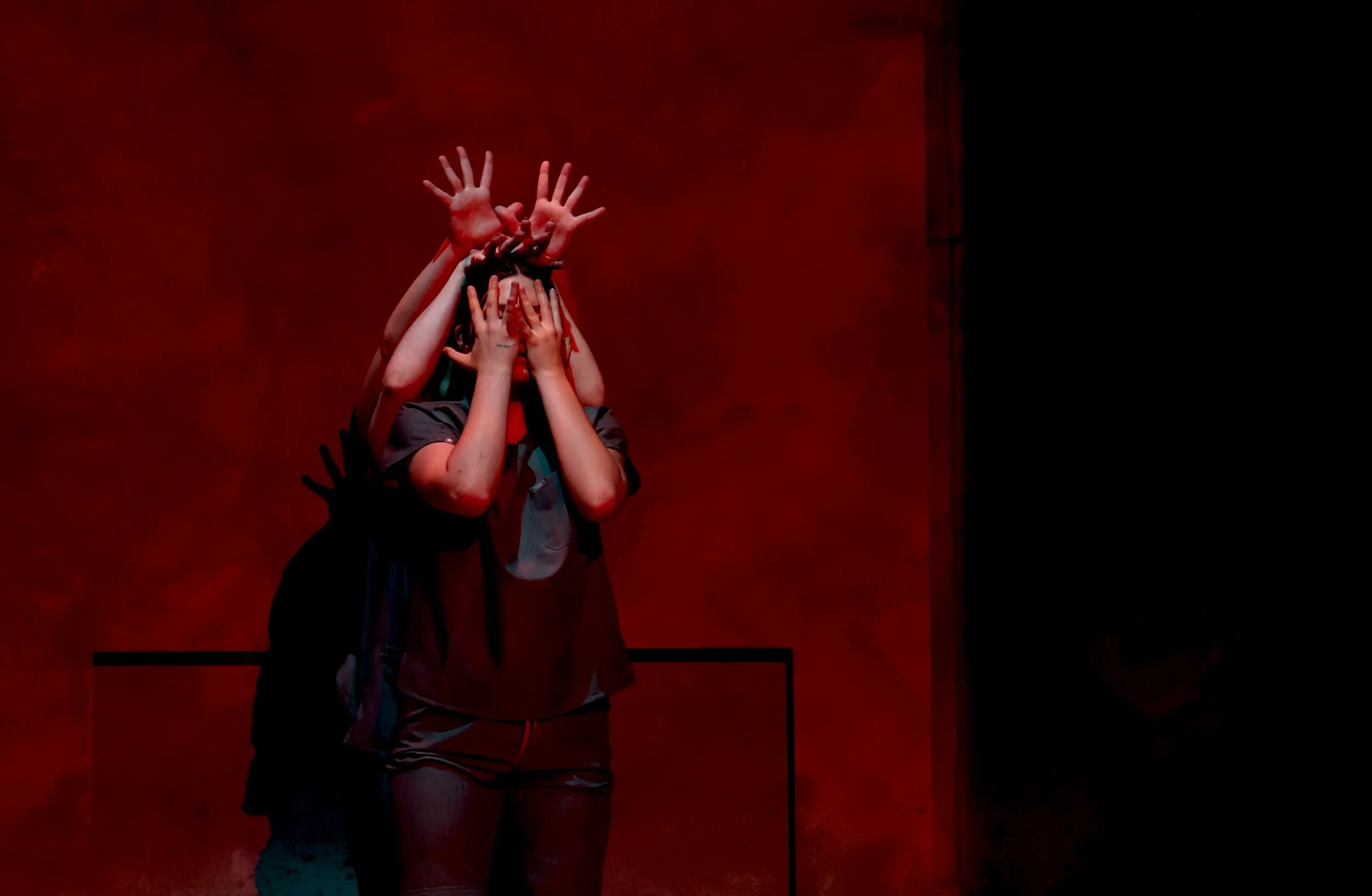
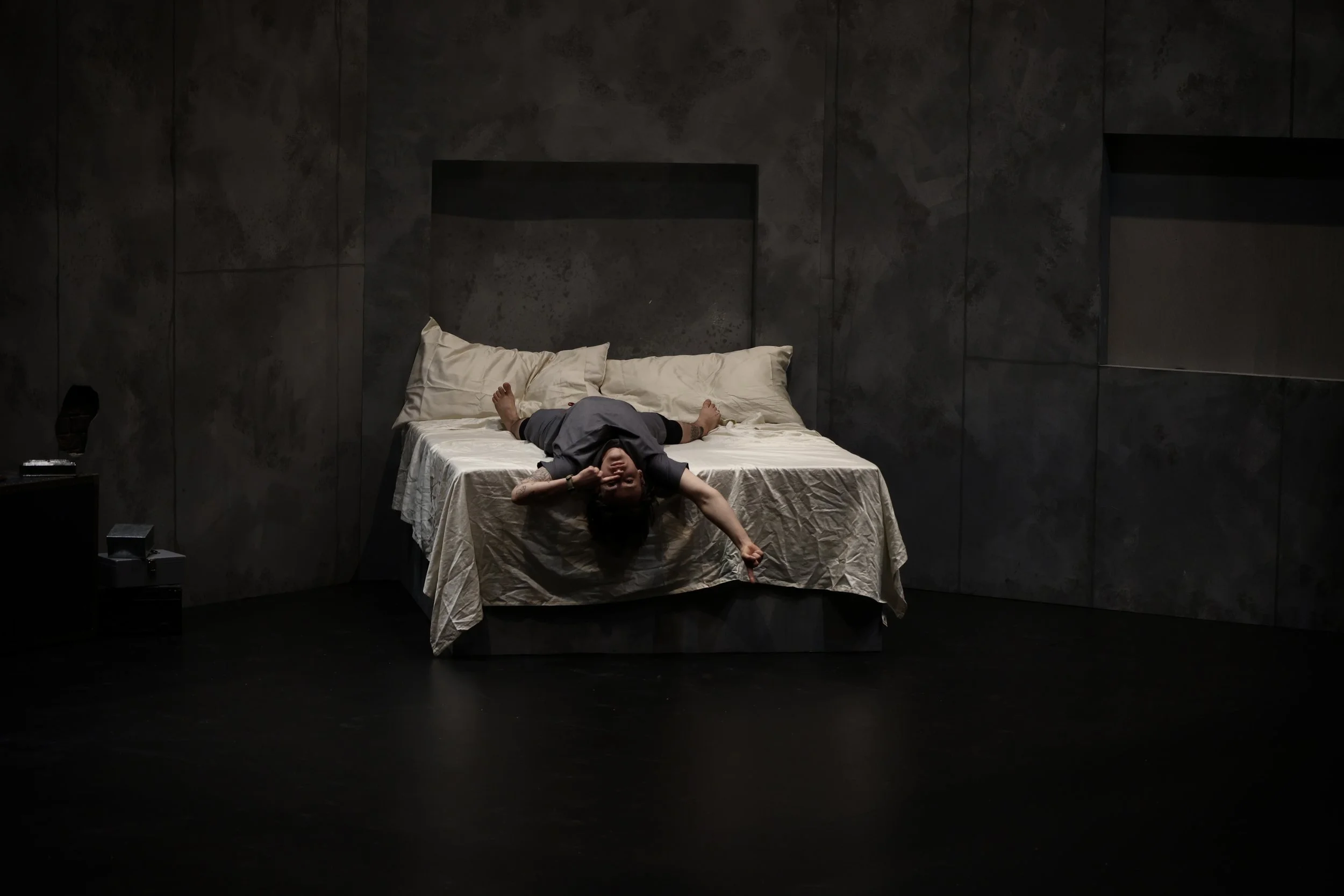
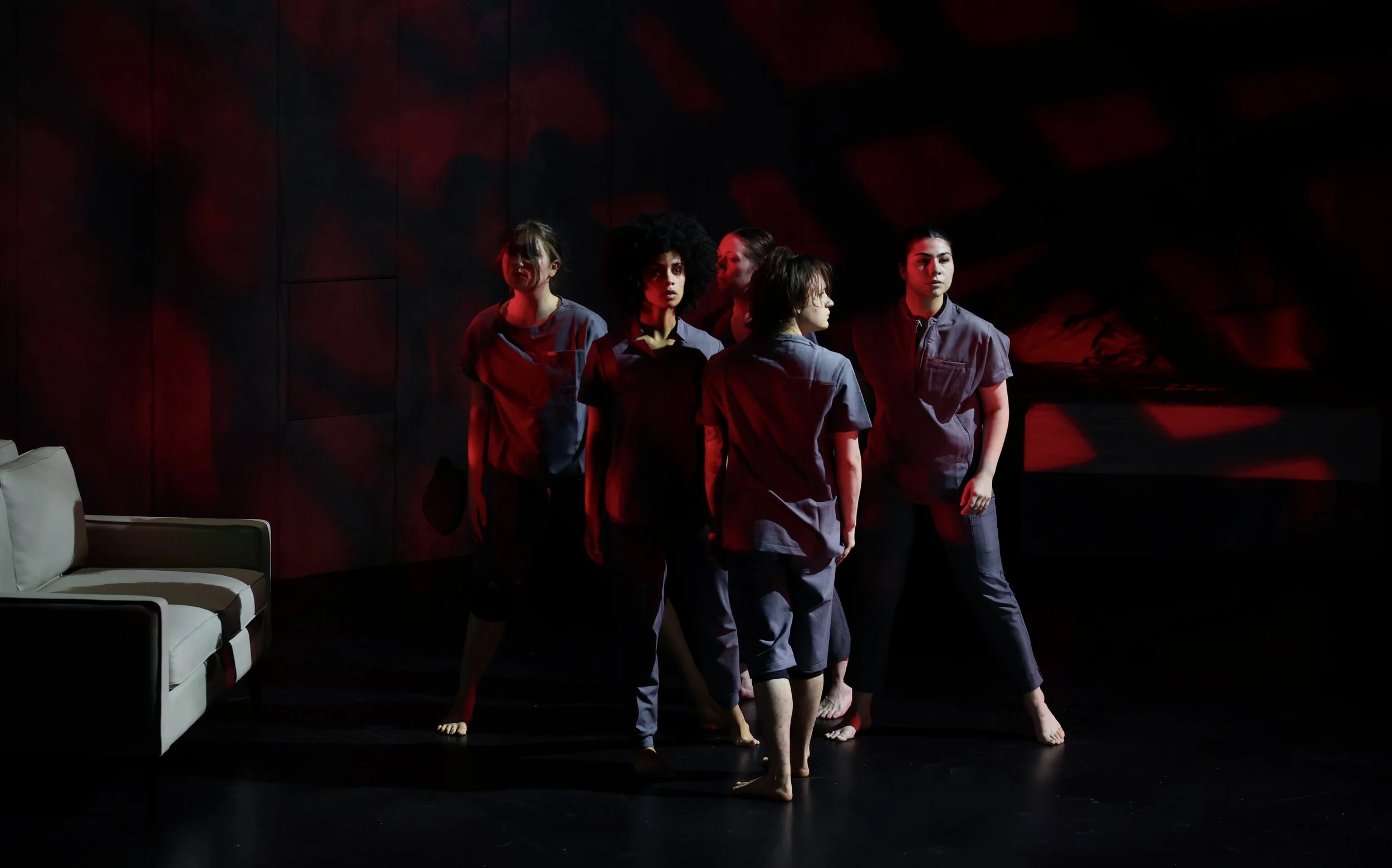
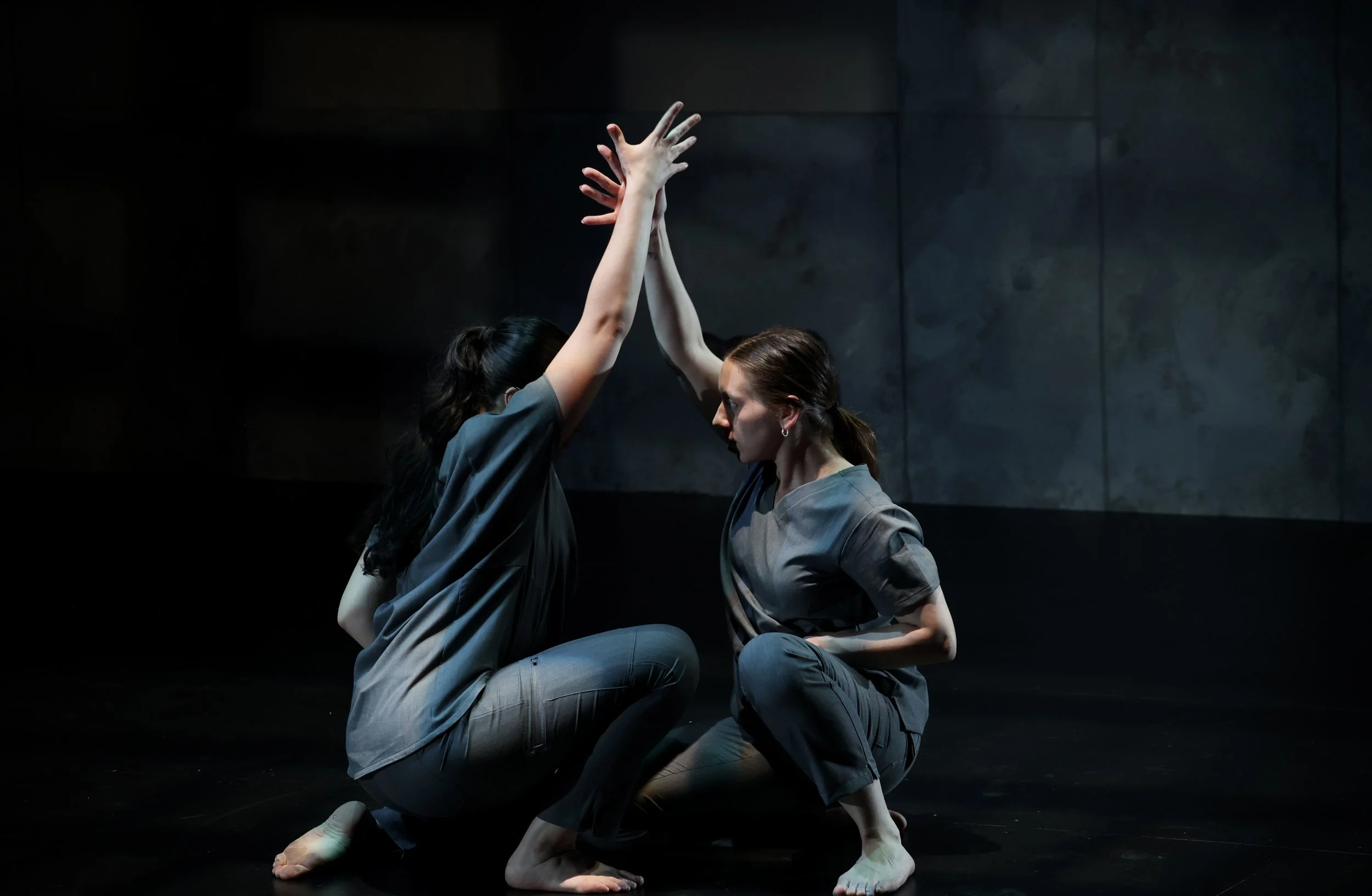
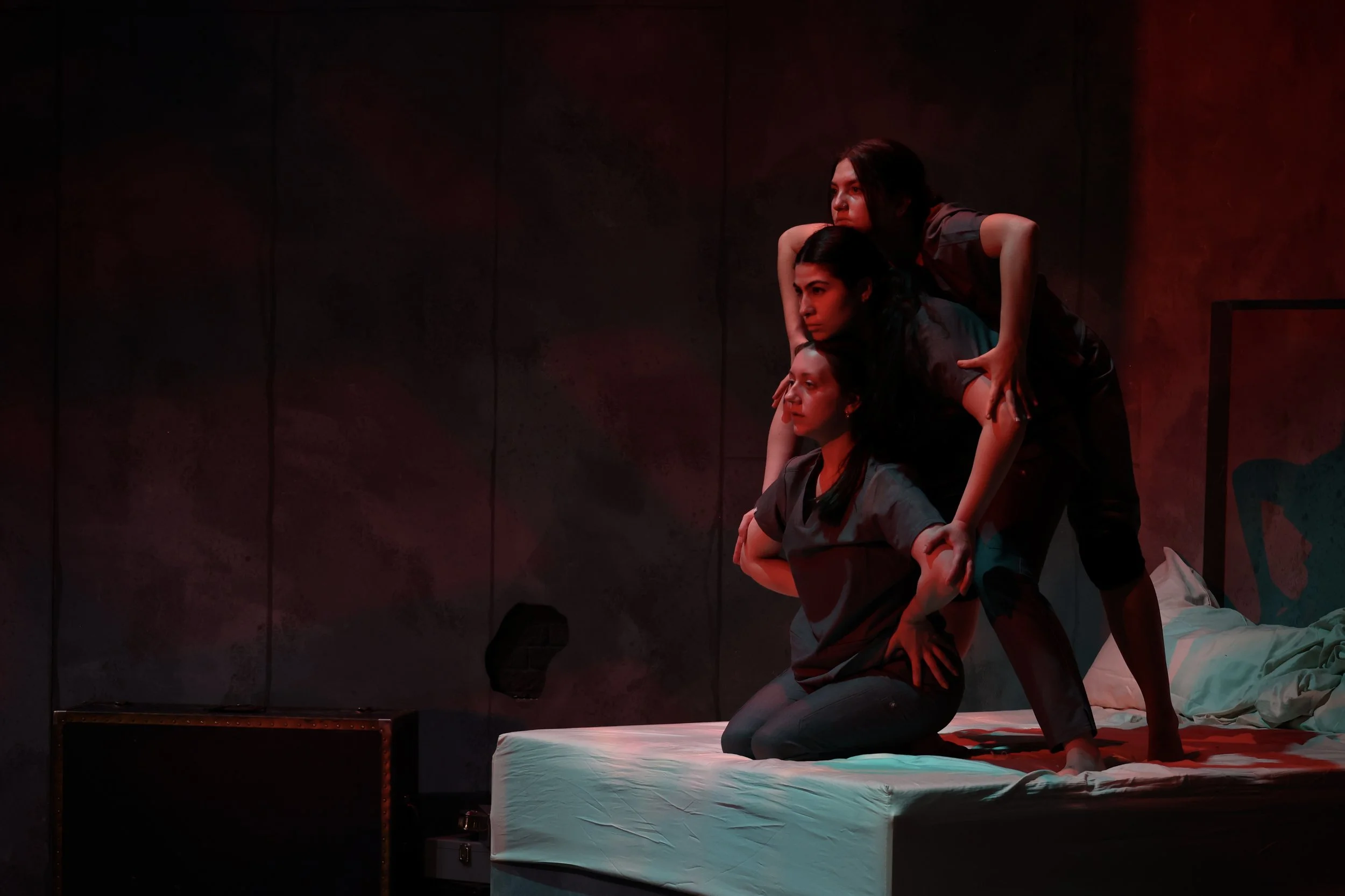
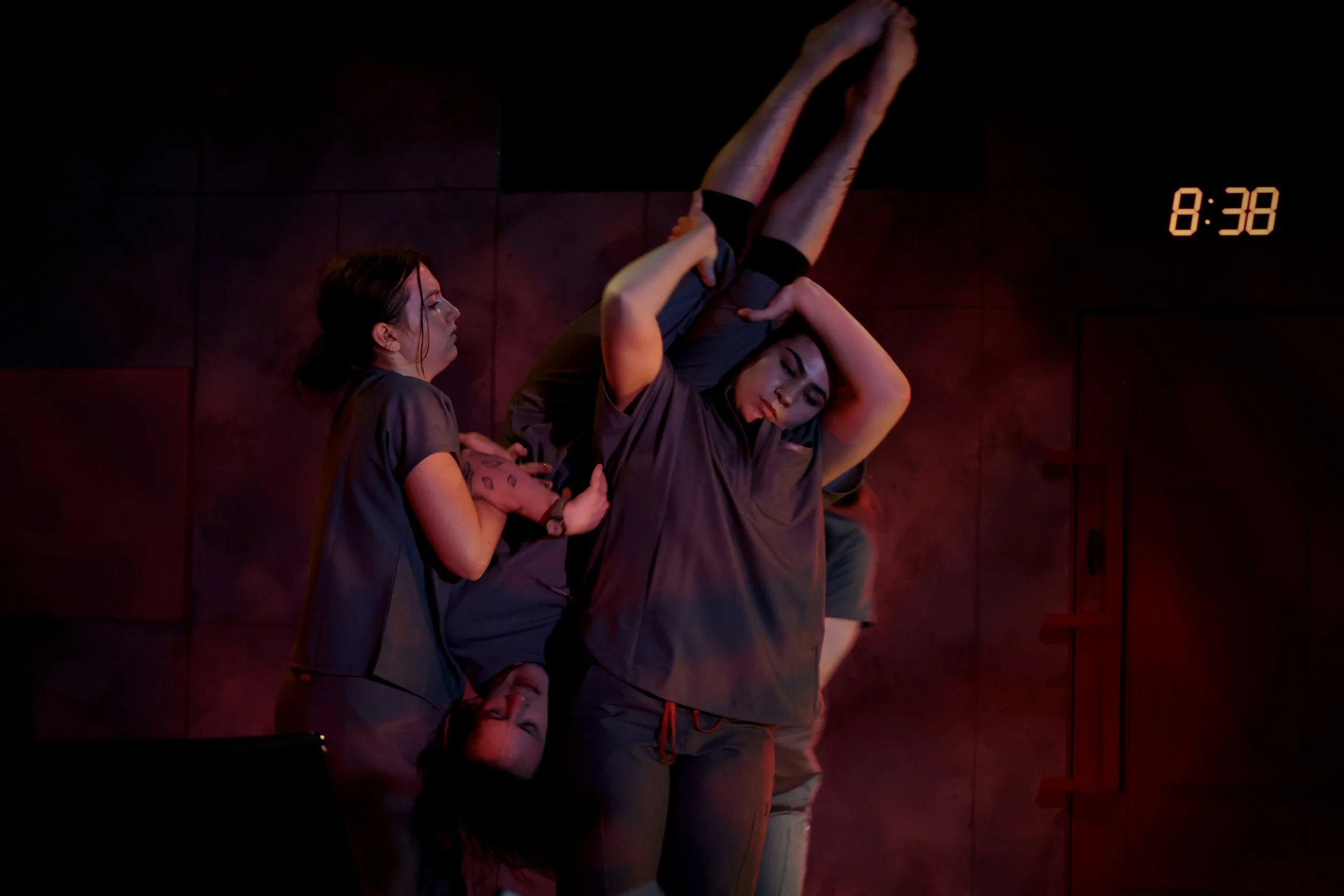
Politics of the Grid is groundbreaking new evening-length dance-theatre work by Jessica Rajko. This immersive production fuses dance, devised theatre, and digital sound/touch technologies to portray a surrealist depiction of life in an AI-mediated world.
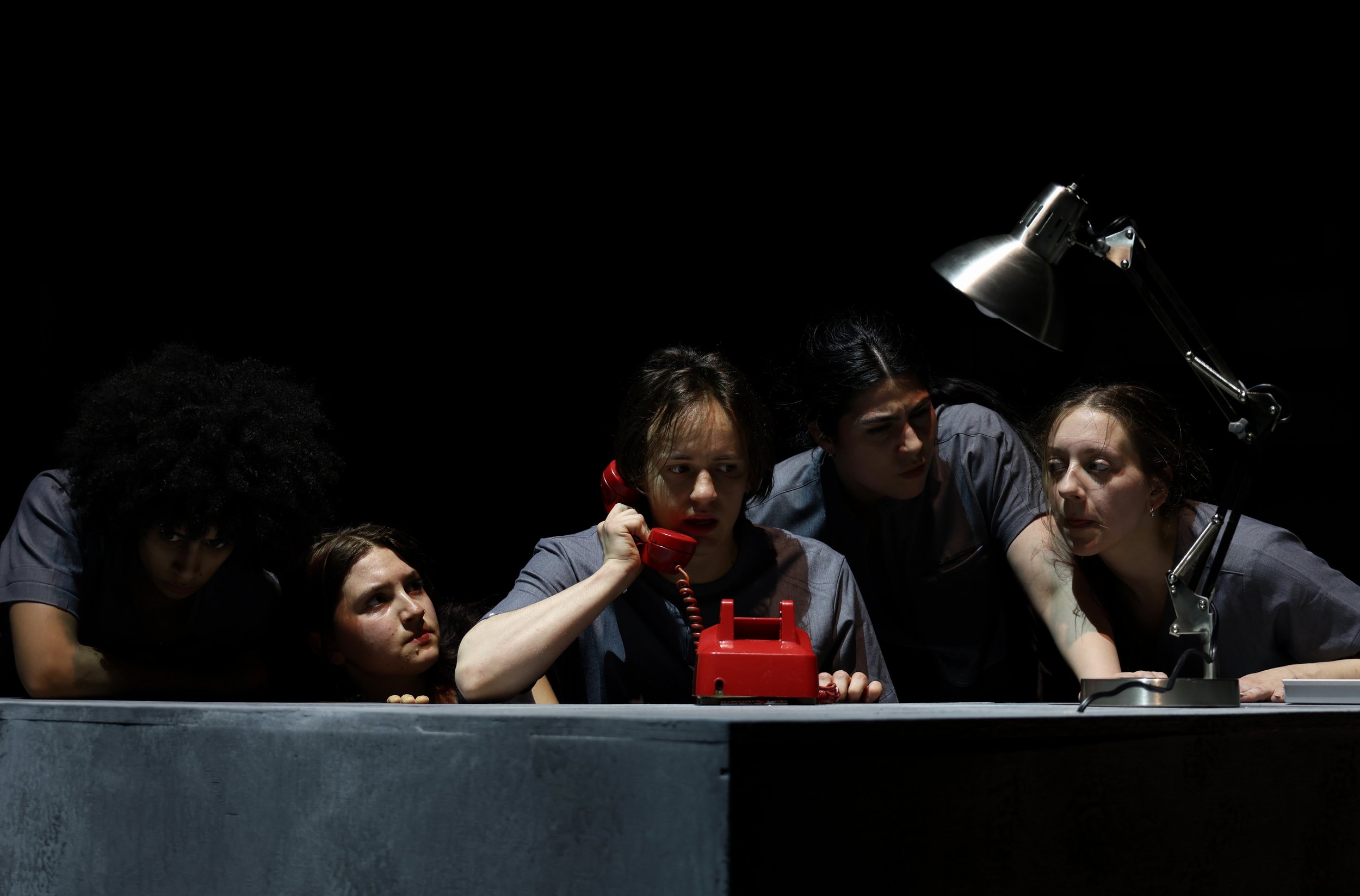
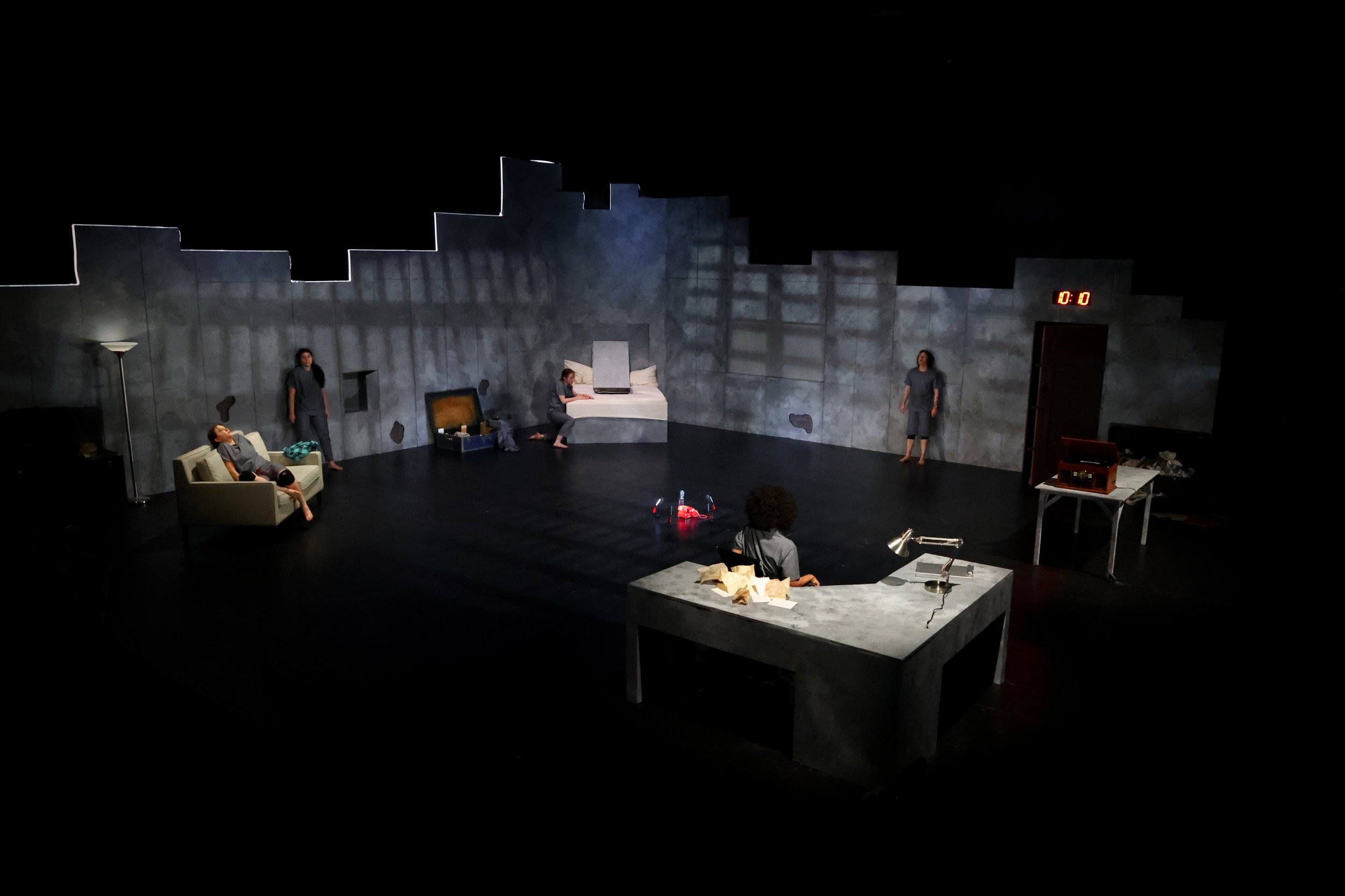
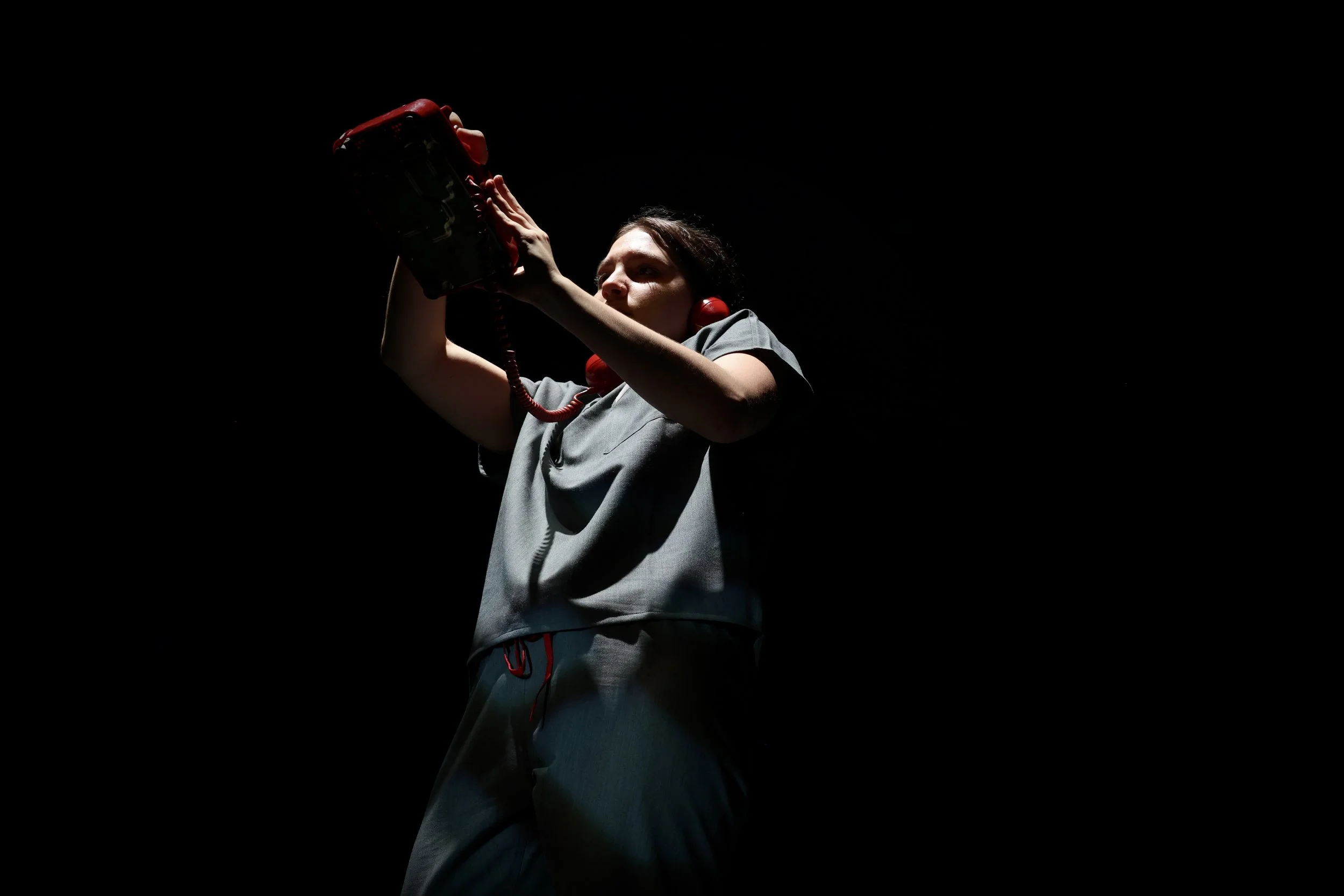
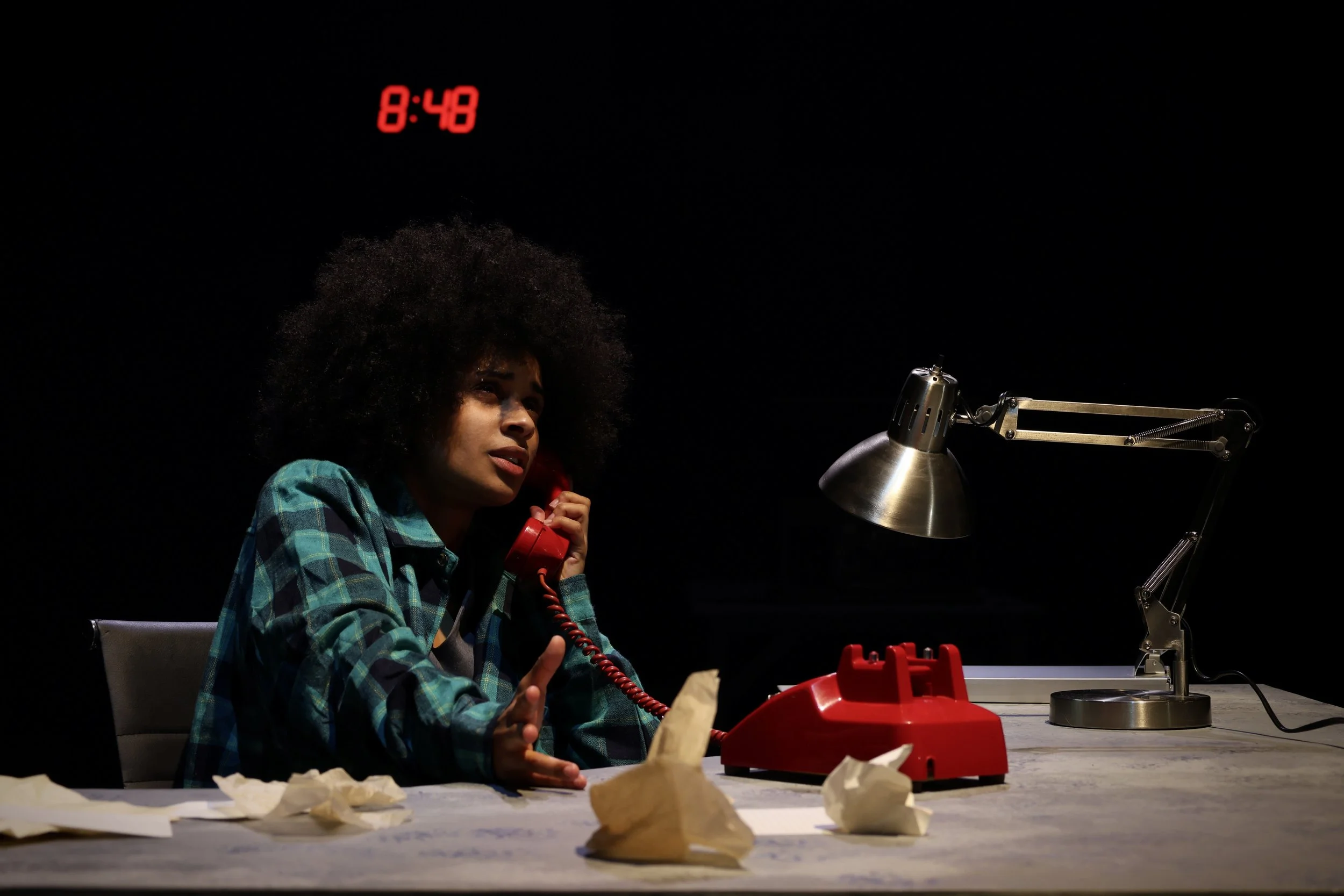
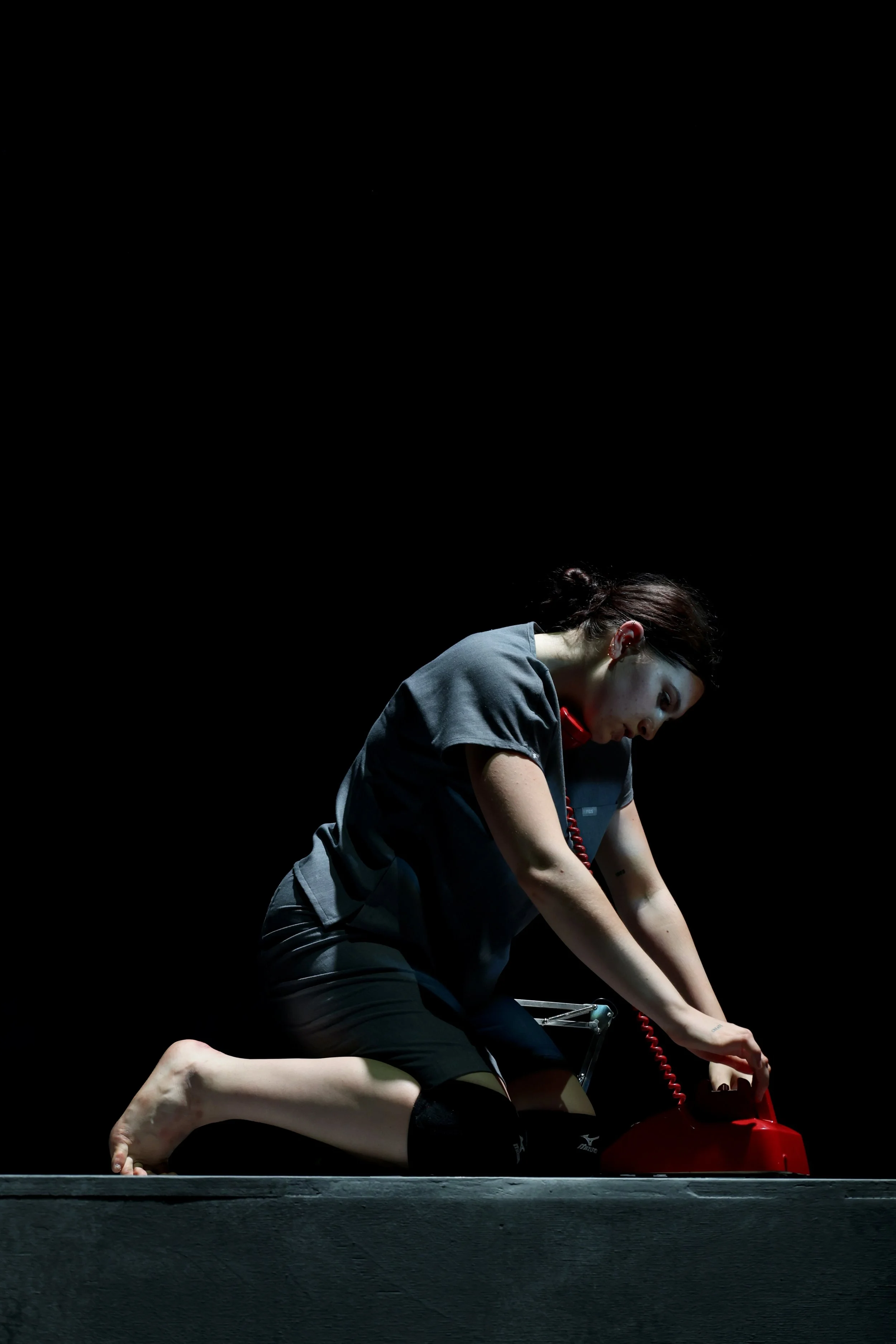
A recipient of the 2023 Knight New Work Detroit grant, Rajko draws on her expertise at the intersection of dance and computing to create an experience that is both visceral and thought-provoking. Audiences are invited into a contained world where five individuals grapple with isolation, algorithmic control, and the illusion of communication—represented by a single red phone linked to a useless automated help line.
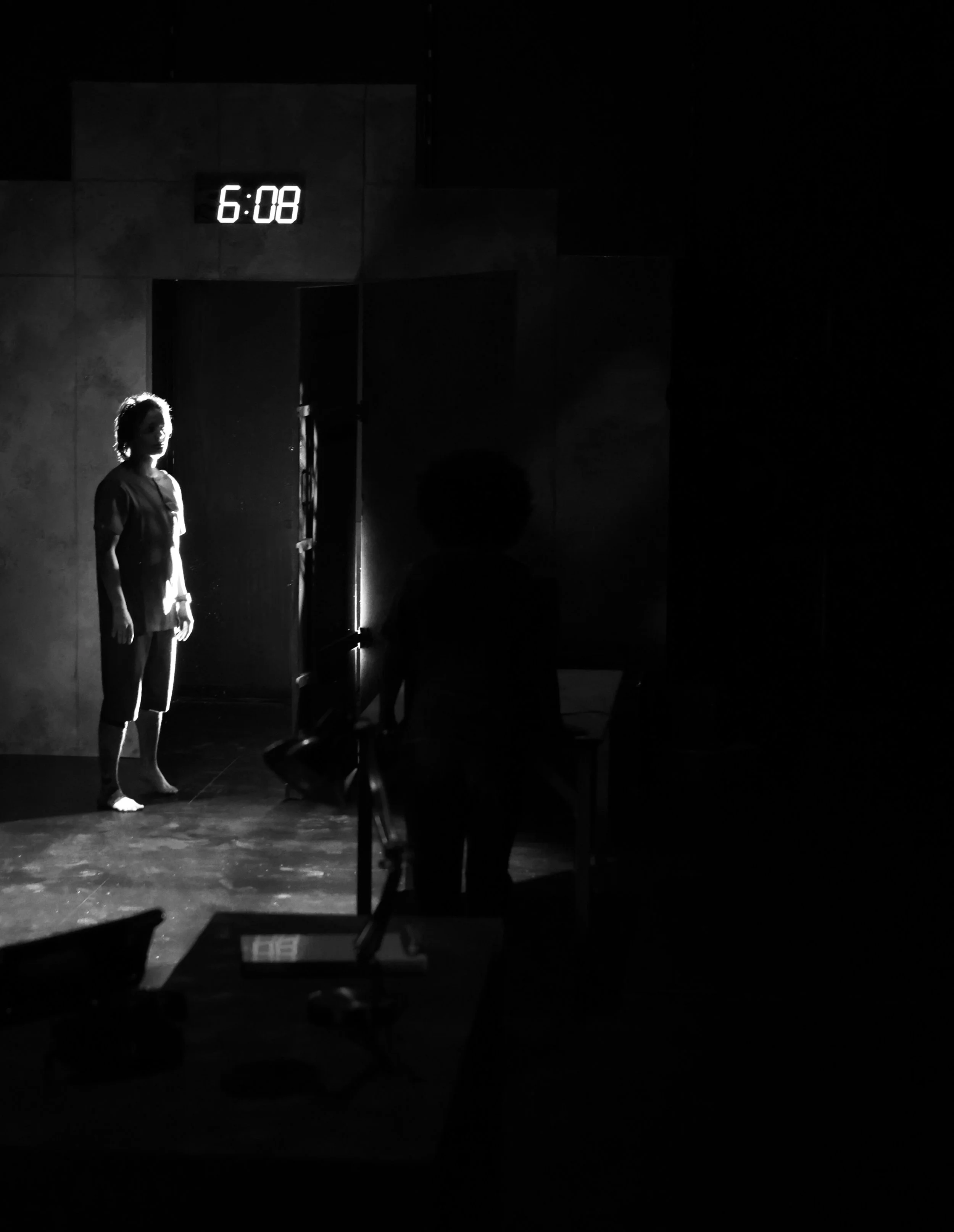
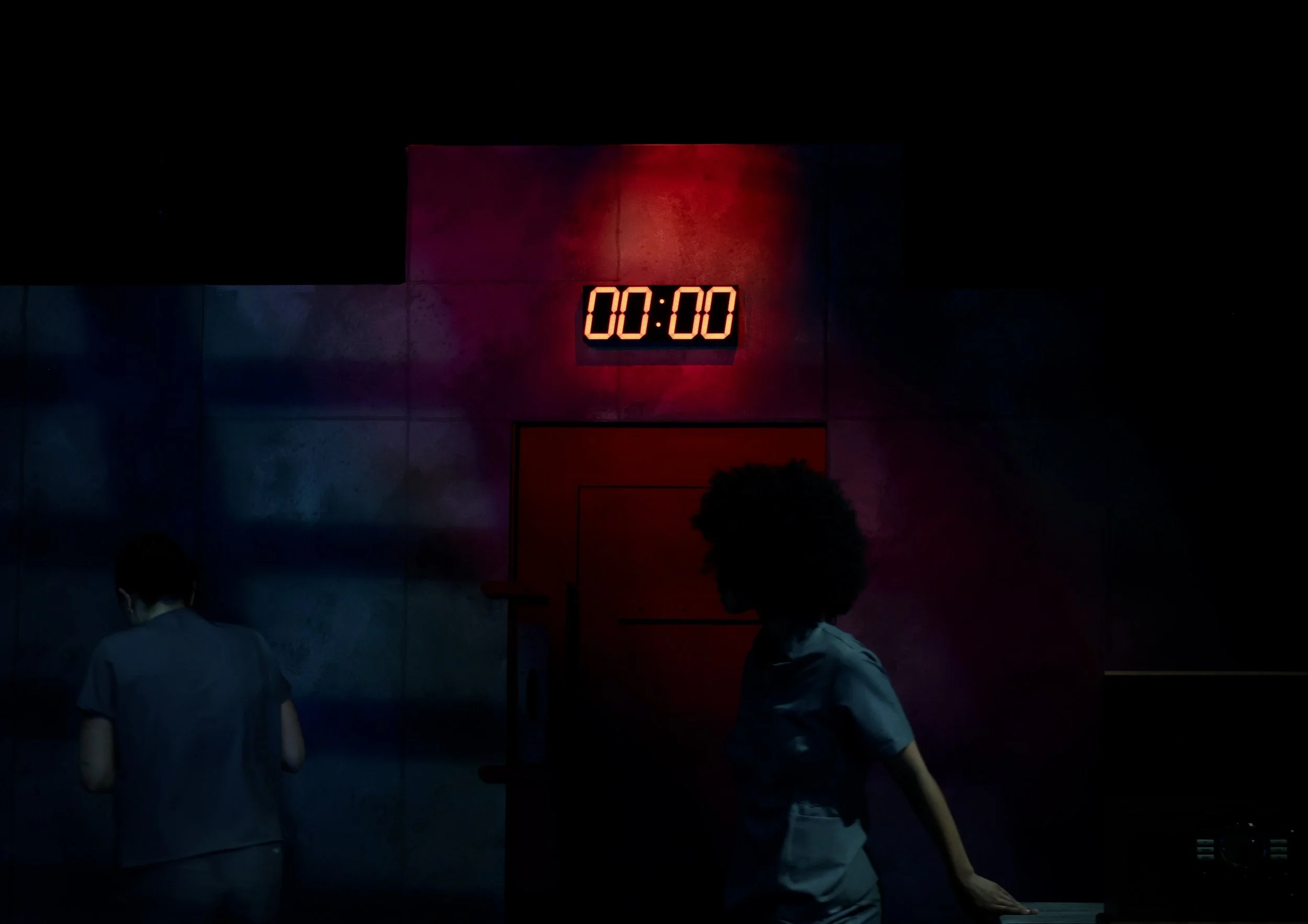
As the story unfolds, the performers uncover the mysterious force known only as The Grid, a chilling metaphor for the invisible systems of surveillance and control in our tech-saturated reality. The piece reflects on AI as the unseen interlocutor in human relationships, highlighting the gaps—both digital and emotional—that shape our sense of connection and disconnection.
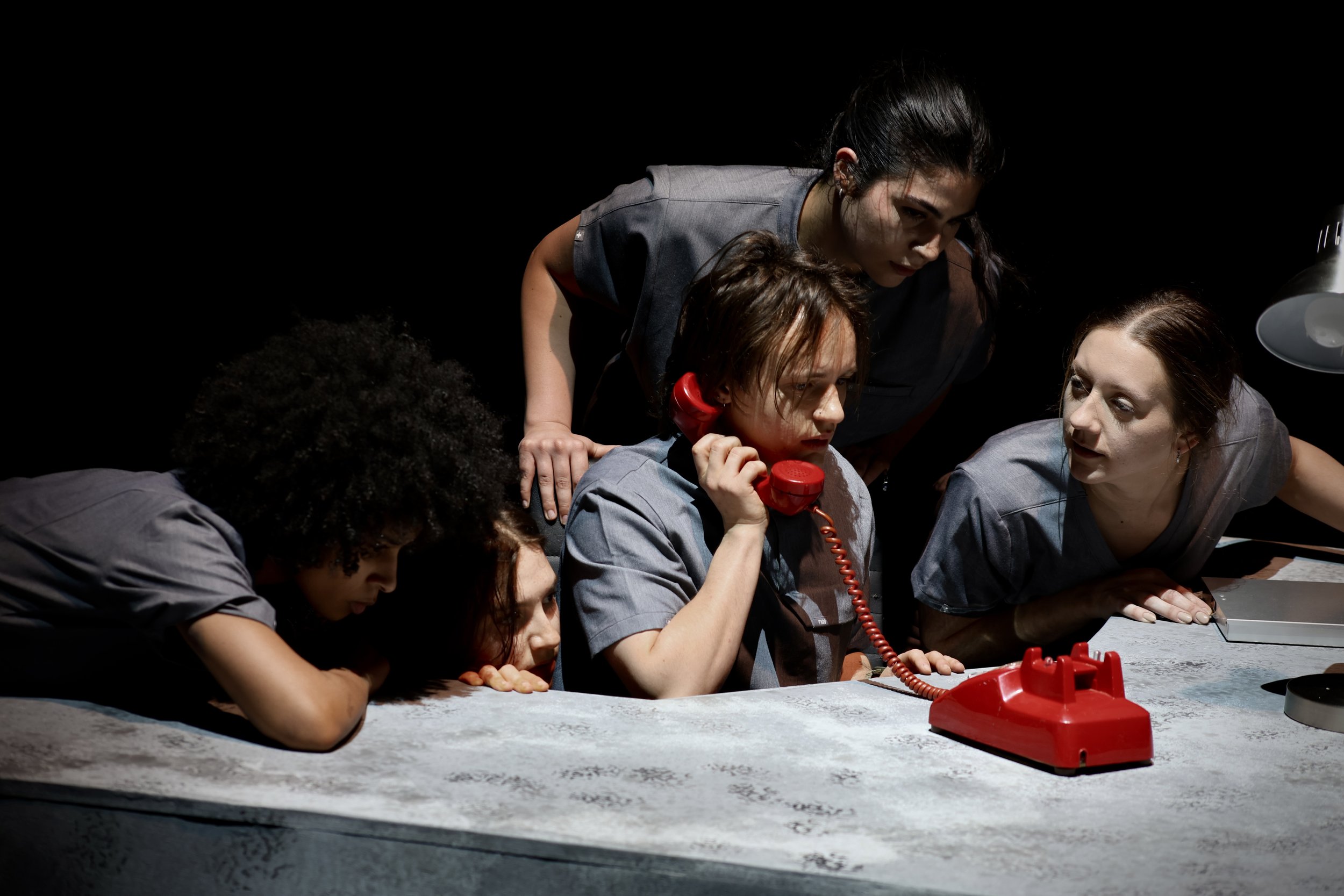
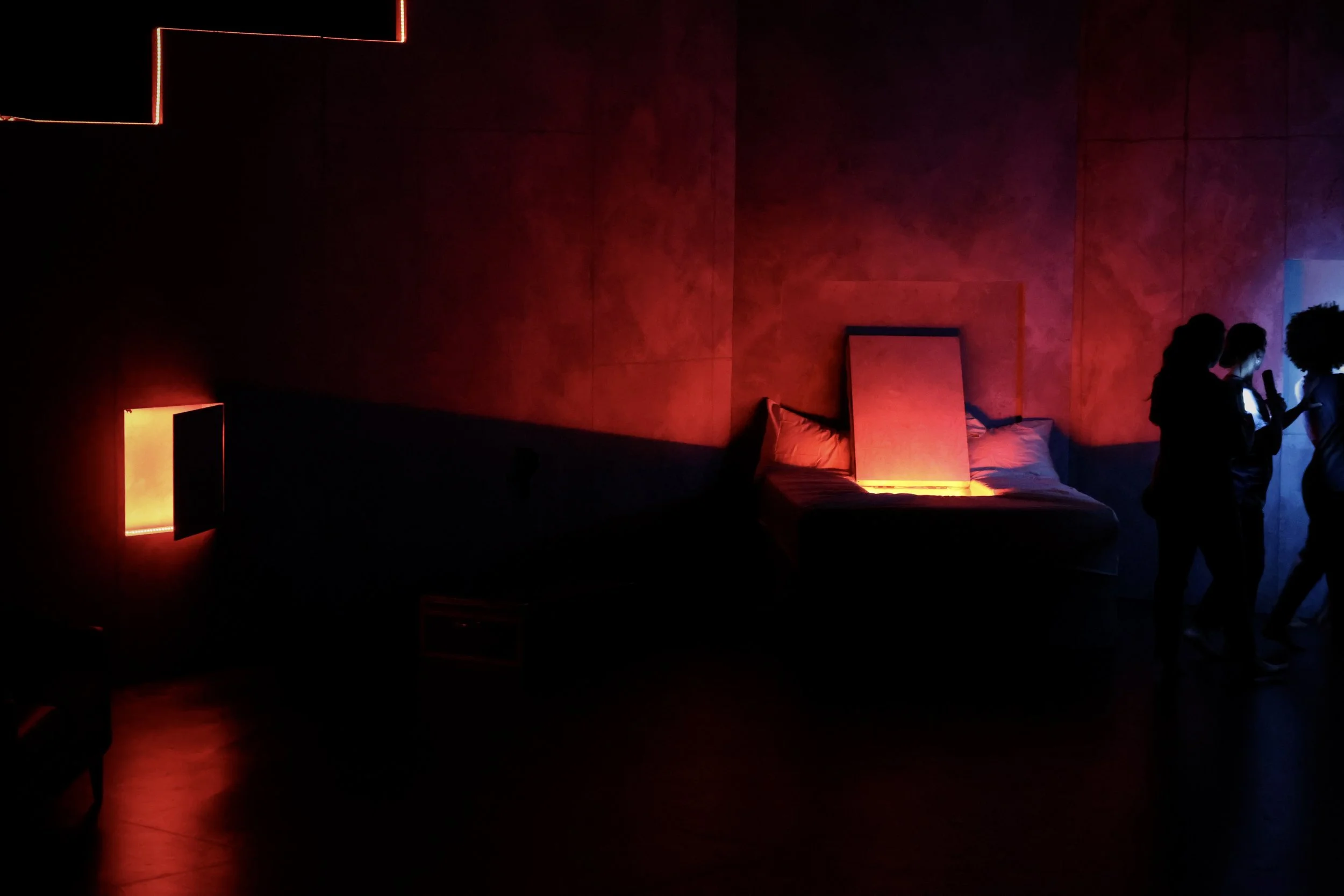
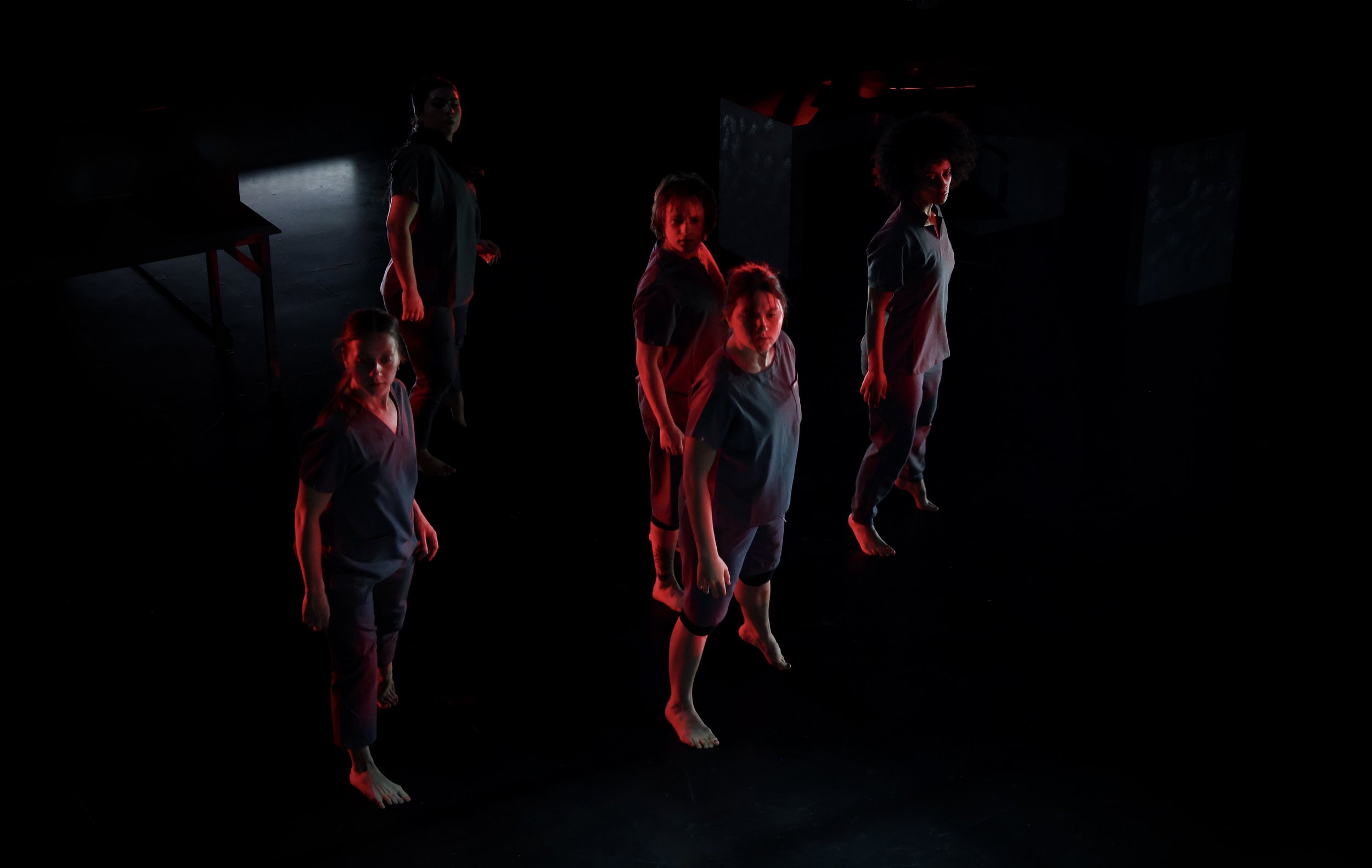
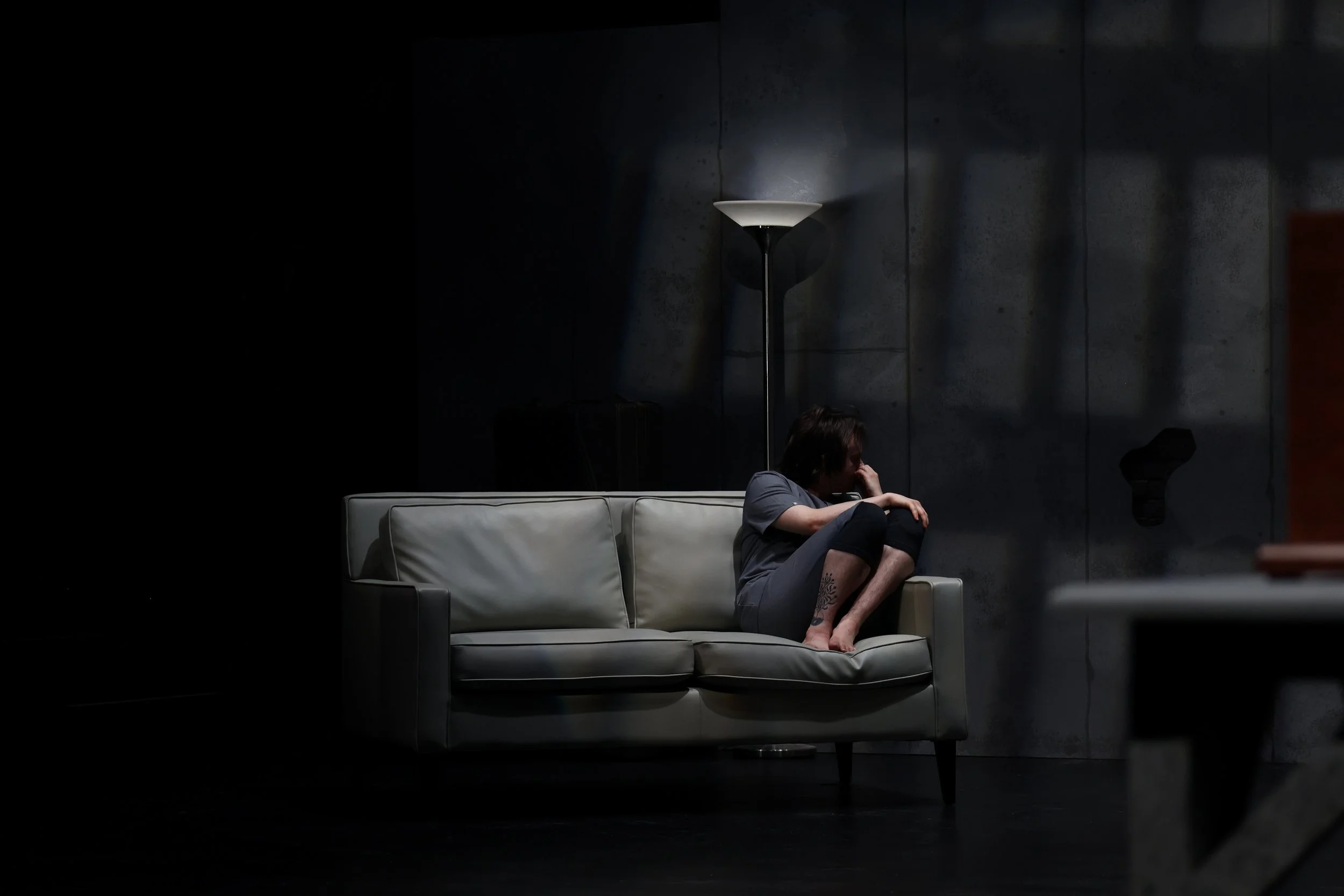
Garbage in, Garbage out.
This description of AI Hallucinations is adapted from the script of Politics of the Grid:
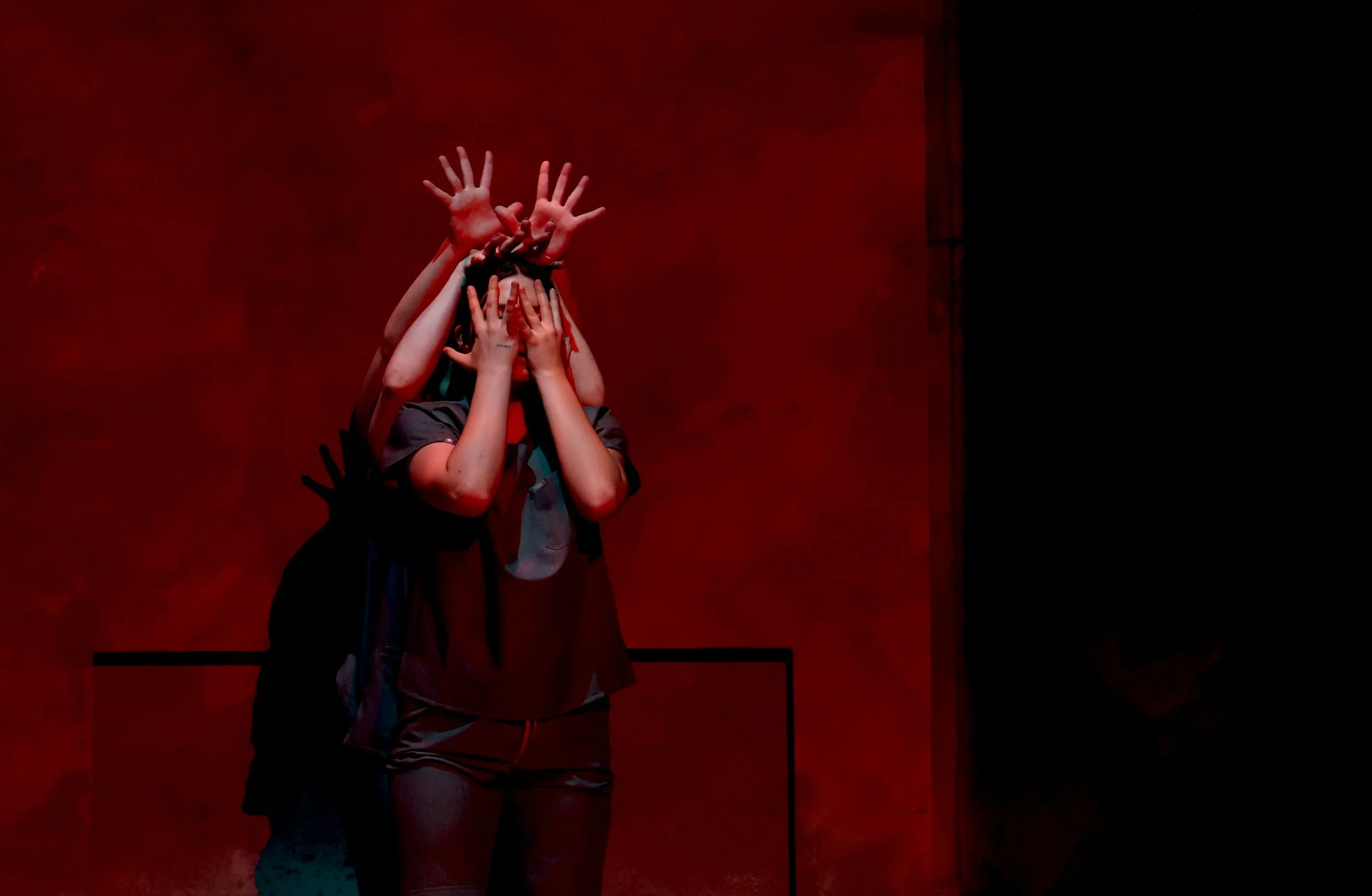
AI Hallucinations are when AI generates incorrect or misleading information that seems plausible but is actually untrue. About 55% of an AI’s generated text has issues like bias and plagiarism, 34% has incorrect information, 17% has transparency issues, and 12% has legal issues. It thinks it’s right, we might even think it’s right… but it’s not. It’s wrong.
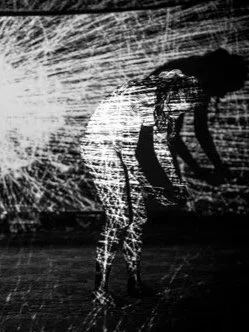
Inspired by Christopher Knowlton’s visual artwork by playing with visual hallucinatory effects, we were able to create phrase work that embodies the constant morphing between recognizable and unrecognizable.
Hallucinations are often represented as a flaw of large language models, but some experts consider them an inherent feature of the system- or at least something impossible to remove.
If AI Hallucinations are inevitable, then what are the impacts on how we understand truth, fact, history, and ourselves?
How do AI Hallucinations impact our perceptions of reality?
A wind phone is a disconnected telephone where people can speak to loved ones who have passed away. Wind phones help people process their grief by giving them an outlet to talk about their loss, retell old memories, and connect to a person who is gone.
The concept originated in Japan. Itaru Sasaki placed a disconnected phone in his garden to help him grieve his cousin who died from terminal cancer. After his cousin’s death, Sasaki connected to his cousin by talking to him on the wind phone.
In my initial research for Politics of the Grid, I studied the different ways phones serve as props and metaphors for our connections to each other. I am fascinated by how phones bring people together, represent emotional distance, amplify longing, and serve as an outlet for grief.
In an early conversation with Knight New Work Detroit panelist, Matthew Principe, I shared my phone research, and he introduced me to the wind phone. I was struck by the raw impact of speaking into a phone, even if no one was speaking back.
We use the idea of the wind phone within the piece. Grief looms over one character in particular— Ray, played by Coco Vaughn. Memories of a close friend haunt Ray throughout the work. Her quiet anguish reflects how grief becomes tethered to loss, whether it be loss of a loved one, loss of community, or the loss of humanity haunting the automated systems we create for ourselves.
Premiere
May 30 and 31 at 7:30 PM at the Hilberry Gateway
Detroit, MI
2026
90 minutes, no intermission
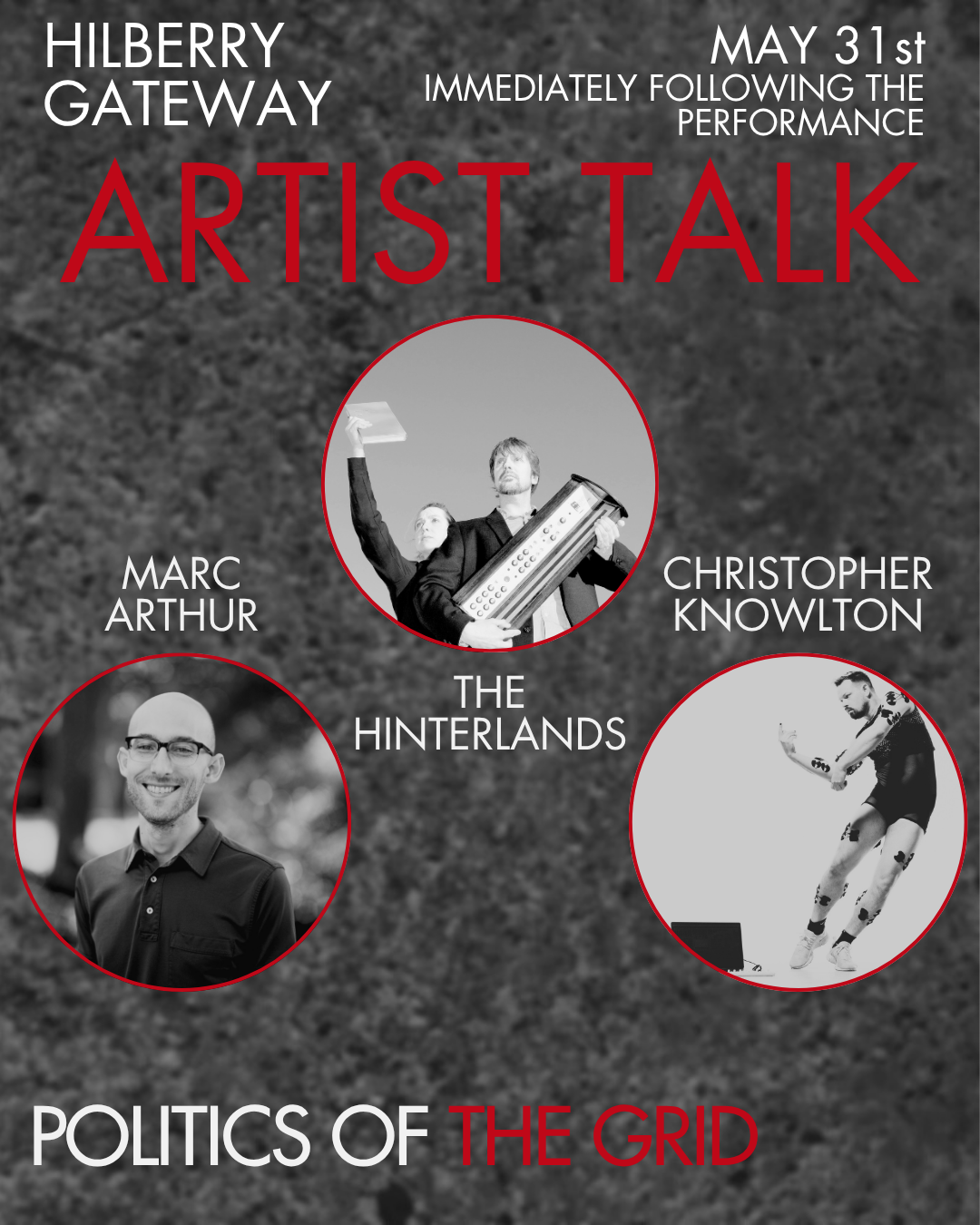
ARTIST TALK about ART-MAKING IN & WITH AI:
Saturday Night, immediately following the live-streamed performance of POLITICS OF THE GRID, was a conversation facilitated by Marc Arthur with guests Richard Newman and Liza Bielby of The Hinterlands and Christopher Knowlton.
This event fostered a thought provoking discussion about creative process, ethics, and the complexities of engaging with AI while making critical art.
IS A TRANSDISCIPLINARY ARTIST, RESEARCHER, AND SCHOLAR WORKING AT THE INTERSECTION OF DANCE AND TECHNOLOGY. HER WORK INVESTIGATES HOW COMPLEX DIGITAL SYSTEMS SHAPE—AND ARE SHAPED BY—DANCE AND CHOREOGRAPHIC PRACTICE.
JESSICA’S ARTISTIC PRACTICE EXPLORES HOW PEOPLE RELATE TO, THROUGH, AND WITHIN TECHNOLOGY IN EVERYDAY LIFE. SHE DESIGNS HAPTIC/SONIC MEDIA SYSTEMS THAT EXPAND THE SENSORY DIMENSIONS OF PERFORMANCE, ENABLING AUDIENCES TO EXPERIENCE MOVEMENT, DATA, AND PHYSICAL PRESENCE IN VISCERAL WAYS. HER MOST RECENT WORK, POLITICS OF THE GRID, WAS FUNDED BY THE KNIGHT FOUNDATION AND INTEGRATES HER DANCE-THEATRE PRACTICE WITH HER CUSTOM HAPTIC/SONIC MEDIA SYSTEM. SHE HAS CREATED MEDIA FOR ARTISTS INCLUDING BROTHER(HOOD) DANCE!, BAIRA MVMNT PHLOSPHY, AND DIRTY GLOVE BVCK, WITH PRESENTATIONS AT VENUES SUCH AS THE WEXNER CENTER FOR THE ARTS, CENTER FOR PERFORMANCE RESEARCH, OT301 (AMSTERDAM), CURRENTS NEW MEDIA FESTIVAL, SCOTIABANK NUIT BLANCHE, DETROIT MUSIC HALL, PHOENIX ART MUSEUM, AND MESA ARTS CENTER.
HER COLLABORATIVE RESEARCH EXAMINES THE ENTANGLEMENTS OF ARTISTIC LABOR IN COMPUTING AND ENGINEERING RESEARCH. SHE IS CO-LEAD OF DECODING DIGITAL BODIES, A PROJECT THAT INTERROGATES HOW DANCE SHAPES THE CODE, METADATA, AND DIGITAL ARCHIVES OF BOSTON DYNAMIC’S SPOT ROBOTS AND CHOREOGRAPHY SDK. THIS WORK IS CO-LED WITH VARSHA IYENGAR AND CURRENTLY IN COLLABORATION WITH ROBOTICISTS IN BROWN UNIVERSITY’S HUMANS TO ROBOTS LABORATORY.
JESSICA HAS PRESENTED HER WORK AT THE CONFERENCE FOR RESEARCH ON CHOREOGRAPHIC INTERFACES, HARVARD’S DIGITAL FUTURES CONSORTIUM, UNIVERSITY OF TORONTO’S BMO LAB, UPENN’S PRICE LAB FOR DIGITAL HUMANITIES, AND MORE. HER SCHOLARSHIP APPEARS IN THE JOURNAL OF THEATRE, DANCE AND PERFORMANCE TRAINING, DANCE RESEARCH JOURNAL, POLITICS OF THE MACHINE, AND ACM’S INTERNATIONAL CONFERENCE ON MOVEMENT AND COMPUTING (MOCO), WHERE SHE ALSO SERVED AS 2022 PAPER CHAIR. SHE IS CURRENTLY ASSOCIATE CHAIR OF THE MAGGIE ALLESEE DEPARTMENT OF THEATRE AND DANCE AT WAYNE STATE UNIVERSITY.
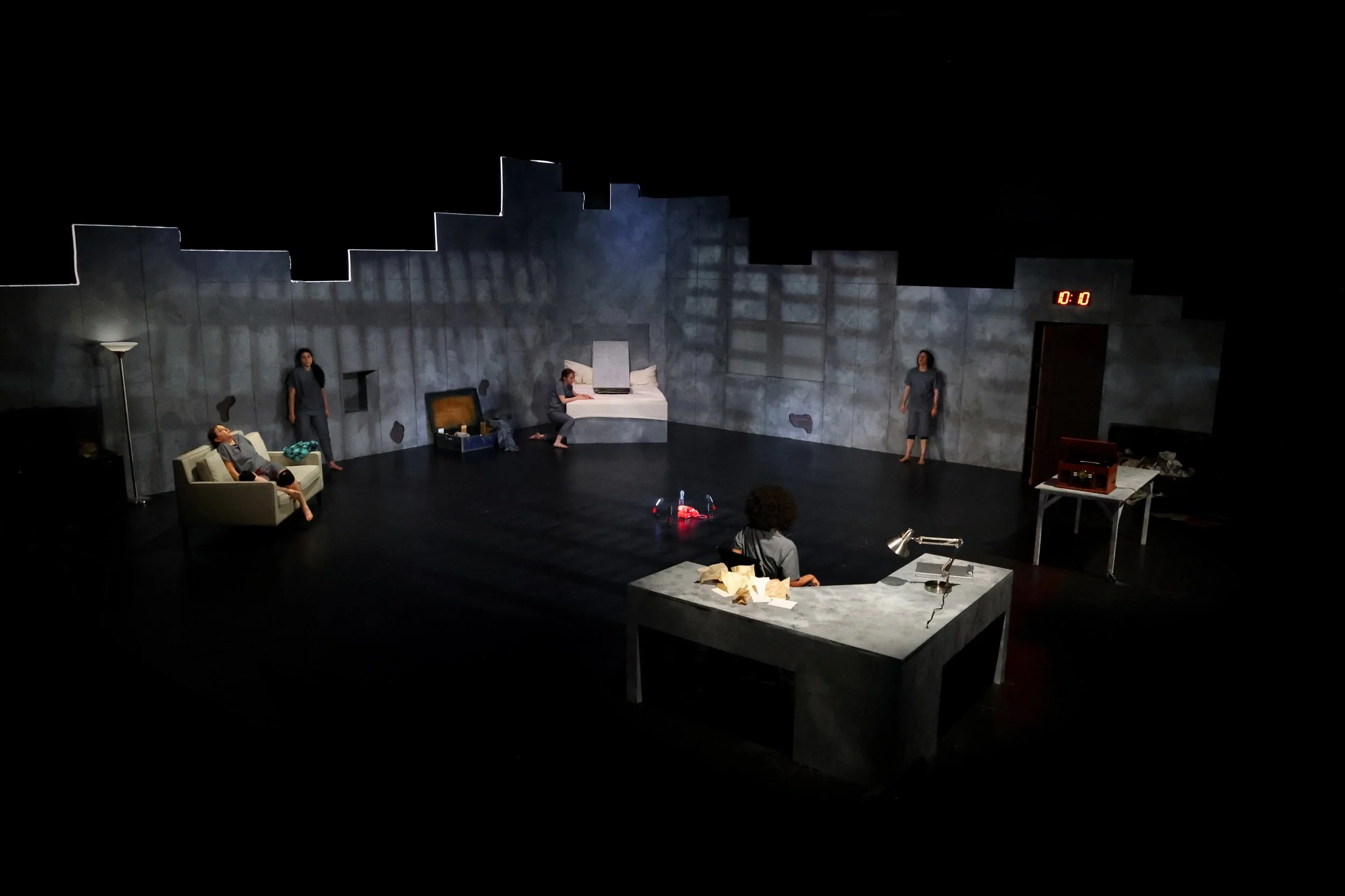
Photo by Stormy Davis
NOOR KAFFARANI is a graduate of Wayne State University, where she earned her B.S. in Dance with a focus on performance and pedagogy. Since graduating, she has performed with Contexture Dance Detroit (11th season) and Detroit Dance Collective (45th season). As an undergraduate, she interned with The Dance Scientist, was named a Desert Peaks Artist, and worked with artists including Joshua Peugh, Amy Miller, Brother(hood) Dance!, and Levi Marsman. Her senior piece, Meeting Grounds. debuted in Wayne State’s 95th Annual Spring Dance Concert and received the Copperfoot Award for choreography.
EMILY LAIRD is a freelance dance artist based in Detroit, Michigan. After eight years of working professionally in Phoenix, Arizona, she has recently relocated back home. She received her Bachelor of Fine Arts in dance performance from Arizona State University and has worked professionally with Zoe Scofield, Michael Spencer Phillips, and Roni Koresh. Emily produced work under the direction of Carley Conder (CONDER/Dance) for five years. She performed with CONDER/Dance as the resident company of Taliesin West and the Frank Lloyd Wright Foundation. Emily's first professional work, Inevitably, They Exist, was selected for the Jacob’s Pillow Inside/Out performance series. Her creative work is deeply rooted in poetic language and is influenced by Pina Bausch. She highly values vulnerability and spontaneity. Emily aims to continue building her identity as an independent artist and further integrate herself within the growing Detroit performing arts community.
ELIJAH LENNINGTON is a movement artist specializing in dance theatre and contemporary partnering and floor-work, as well as aerial arts. He received his BFA in Dance from Wayne State University in 2024. Elijah is currently dancing with Dance Uprising, as well as teaching and performing with the Ann Arbor Aviary, and completing his Pilates certification. This is his third project working with Jessica Rajko, previously having assisted with Devil’s Shoestring and collaborated and performed with the Dancing Digital Bodies project. He combines his love for research, activism, and movement into what he creates and performs.
MARY RENKO is an experienced dancer with formal training in various choreographic and performance techniques. Mary graduated summa cum laude from Wayne State University with a B.F.A in Dance in May 2025. She studied under and performed in works by various artists, helping her become well-versed in various rehearsal techniques and collaborations. Mary also spent a semester studying dance abroad in Tuscany, Italy, doing in-depth creative and movement research. Mary has a strong affinity for dance-theatre, post-modern contemporary, and improvisational work, and views dance through a comprehensive lens, tending to find deeper contexts and look beyond what is there when performing, witnessing, and creating work.
COCO VAUGHN is a queer movement artist seeking to understand human connection through live movement and dance on film. Born and raised in Detroit, she focuses her efforts on the city and its people. After receiving her dance major and film minor at Wayne State University, she teaches K-8 dance at Washington Parks Academy. Coco’s teaching practice focuses on choreography and improvisational forms geared toward youth and inclusivity.
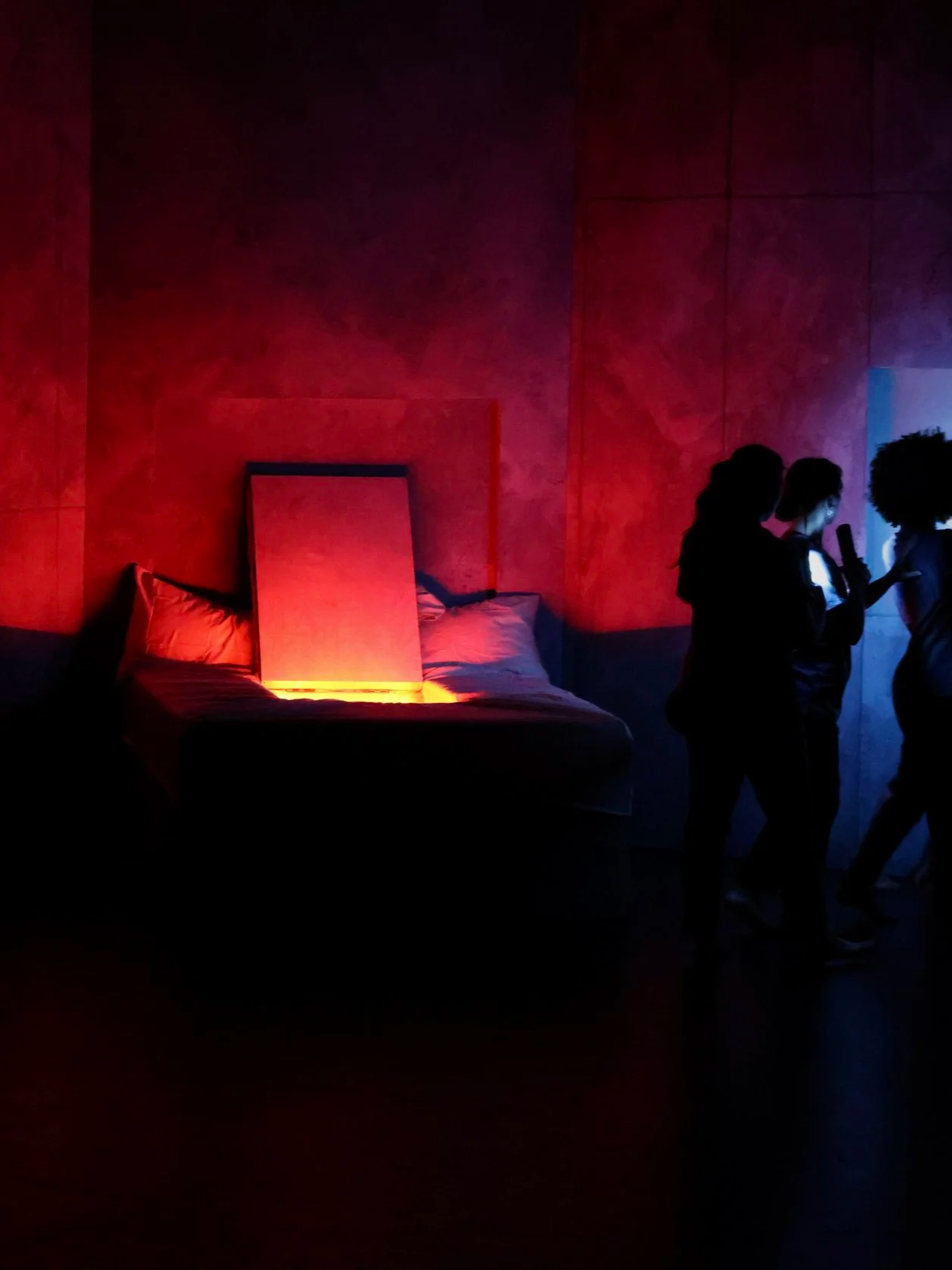
Photo by Stormy Davis
Artistic Director & Sound/Haptic Design: Jessica Rajko
Scenic Design: Seth Bowen
Lighting Design: Orion Latherow
Stage Manager: Tempest Thomas and John Pierre
Assistant Stage Manager: Sofia Bailey
Set Production: Jeff Jantz
Sound Engineering: Brian Cole
Board Operator: Graysen Rutherford
Marketing Director: Stormy Davis
Marketing: Aria Brown
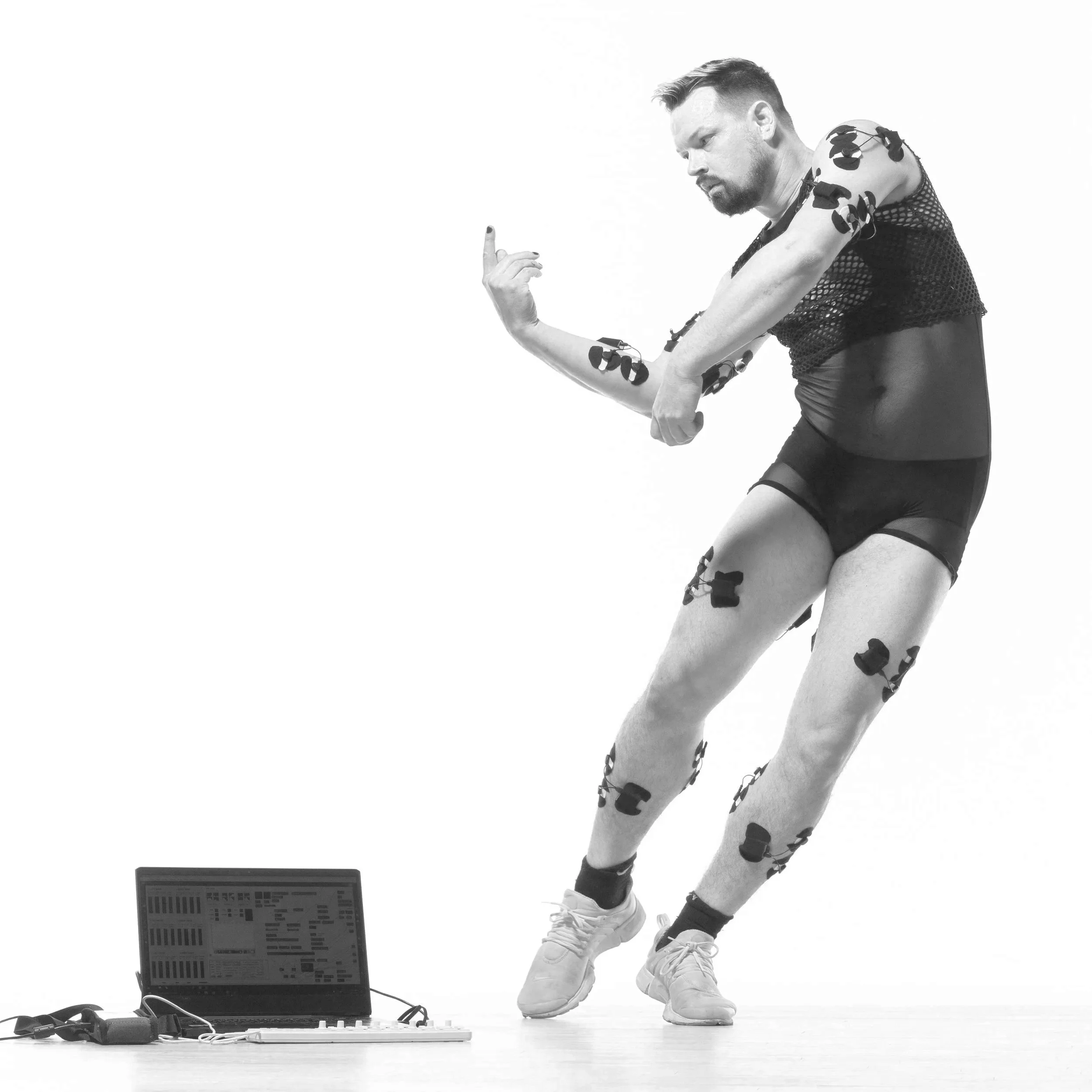
PHOTO BY ©William Frederking
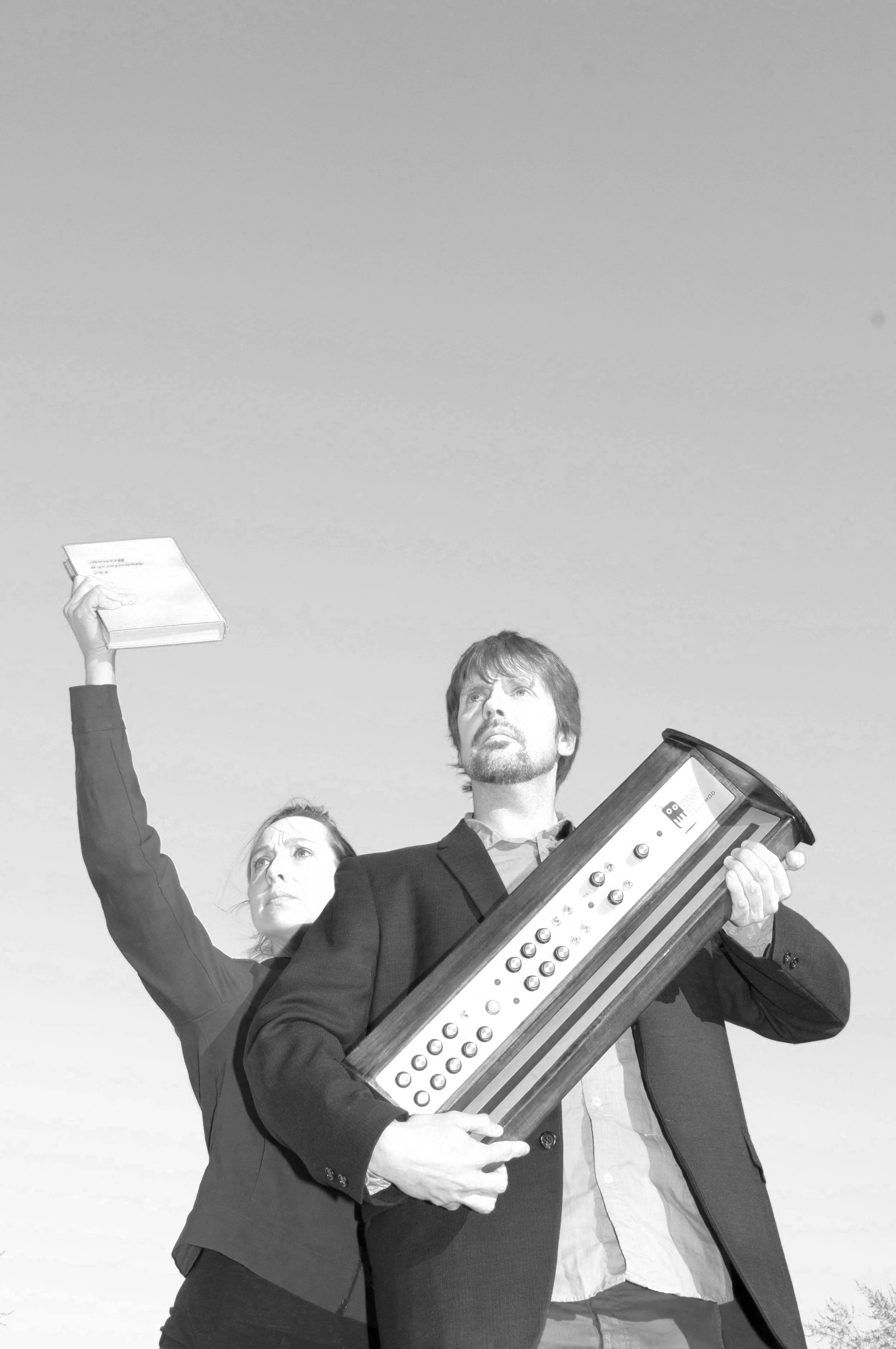
PHOTO BY Justine Tobiasz
Christopher took still images of the dancers to demonstrate the capabilities of AI and movement in the world of Politics of the Grid and shared insight during the Artist Talk following the premiere.
Christopher Knowlton, Ph.D., is a queer transdisciplinary movement artist and research scientist who uses emerging technologies to create augmented performance work. Based in Chicago, he has created many solo and collaborative dance works that have been featured locally and internationally, spanning dance, film, new media, puppetry, installation and storytelling. Chris was a Chicago Dancemakers Forum 2020 Lab Artist, a 2022 Ragdale in Schools Fellow, a 2023 Chicago Cultural Center Dance Studio Resident Artist, a Winter 2023 Banff Centre Dance Artist in Residence, 2024 Supported Residency at WOWArtSci in Taos, NM, a 2024 Artist in Residence and currently a 2025 Fellow Artist in Residence at High Concept Labs in Chicago. Chris is also a biomechanical research scientist and manages the Motion Analysis Laboratory at Rush University Medical Center.
Liza Bielby and Richard Newman have worked as THE HINTERLANDS since 2009, engaging a pool of collaborators to create playful and surreal theatrical performances and public events seen at the Shanghai Biennale, the Kohler Arts Center, Flynn Center, Museum of Contemporary Art Detroit, the Berlinale, and more. The foundation of their work is a rigorous, daily physical and vocal training practice that seeks to merge investigation of the self with inquiry into their lineages and passions, from laboratory theatre to electronic music production and beyond. Their research-driven multidisciplinary pieces blur reality and fiction, using humor; repetition; layering of historical reenactment and cultural references; and impeccable timing to create a performance language unique to each piece that lures audiences into unexpected moments and unknown “hinterlands.”
The AI Manifesto was created in 2024 by Jessica Rajko through reflexive prompts asking ChatGPT to:
1) Write me a short internal monologue about yourself trying to understand if you're hallucinating or not.
2) Write me a short internal monologue of Sam Altman trying to figure out if the hallucinations he created in ChatGPT are safe.
Once created, the monologue was entered into Murf AI voice generators to create the audio character of “The Grid.”
Video by Stormy Davis
AI Visual art by Christopher Knowlton
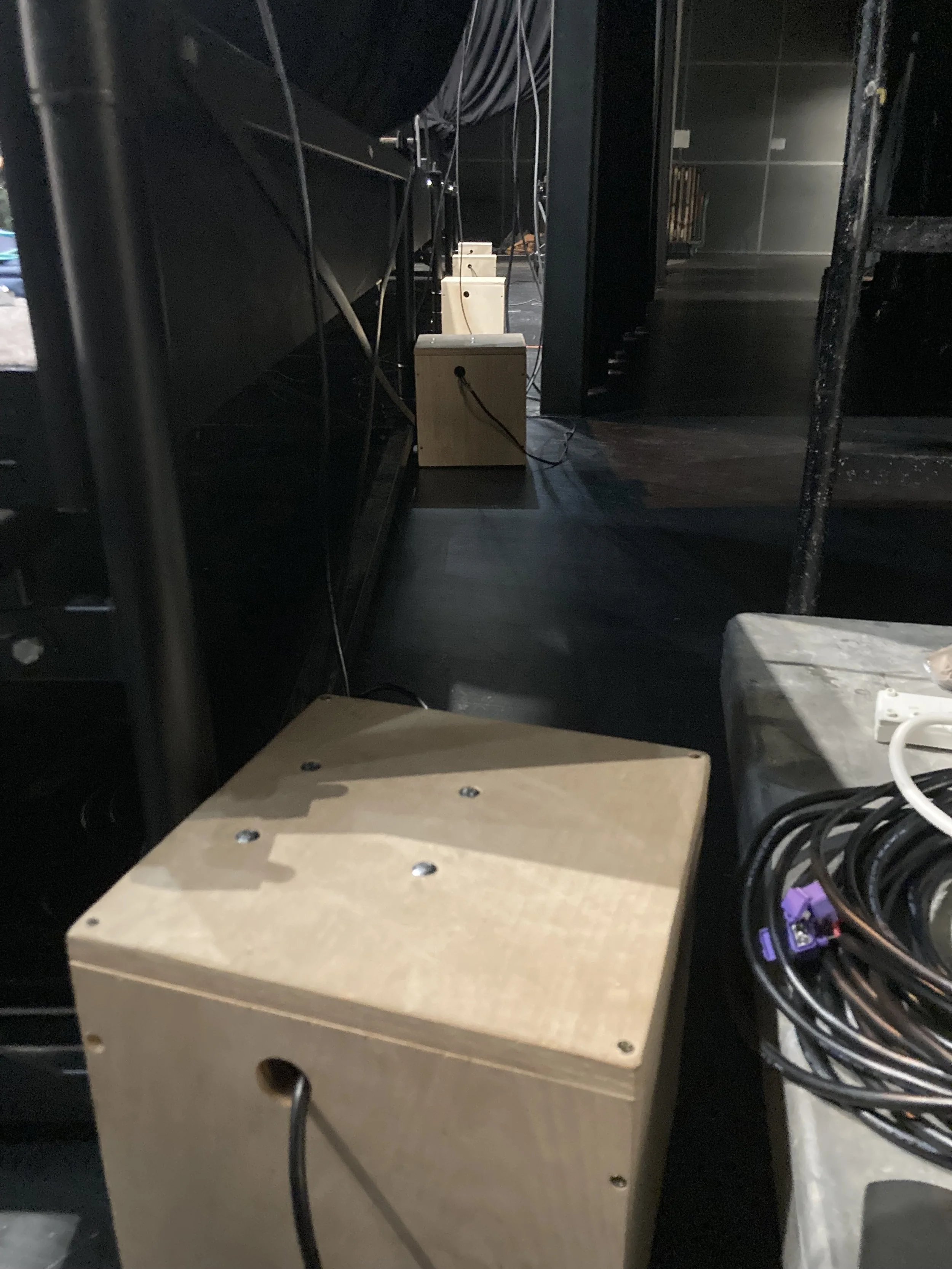
Politics of the Grid expands upon prior work to develop LOAM by integrating the system with QLab 5 and Dante. The project uses both standard subwoofers and Buttkicker LFE’s to augment audience’s haptic experience of the music, sound design, and dancer movement. The sound design and engineering for Politics of the Grid was created and directed by Jessica Rajko.